





Greek Shipowner: "We Need More VLCCs"
Source:CNSS
2026-06-01
Pankaj Khanna, CEO of Greek ship management company and shipowner Heidmar, recently stated that the underlying fundamentals of the tanker market remain robust. The Middle East crisis is reshaping global trade patterns and boosting tonne-mile demand, creating a positive outlook for the tanker market.
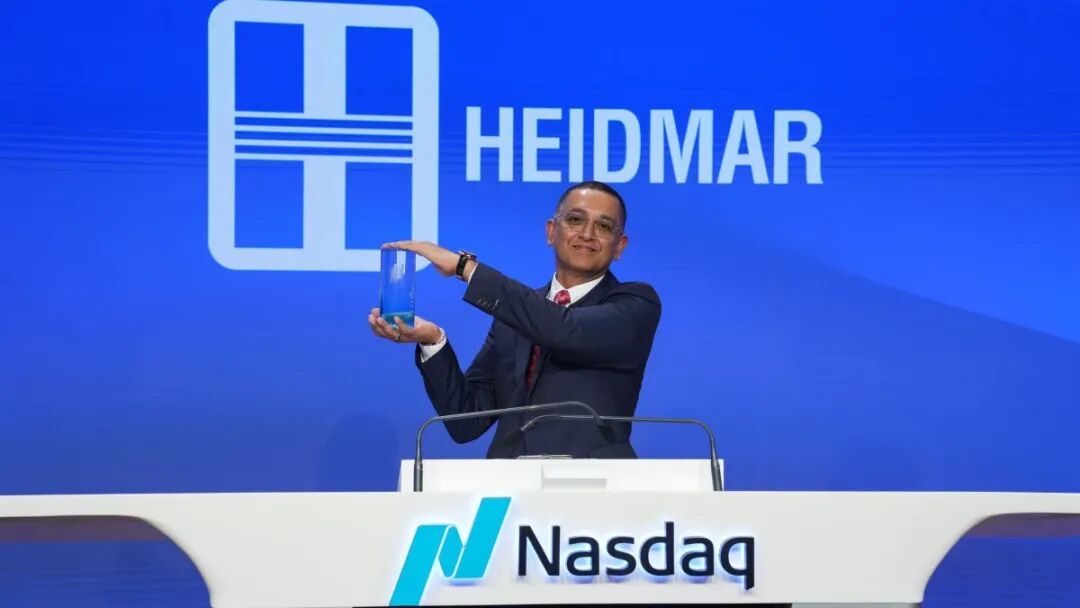
Khanna noted that the Strait of Hormuz crisis has underscored the urgency of diversifying energy supplies. Citing Japan as an example, where roughly 90% of crude oil was previously sourced from the Middle East, he expects a shift toward procurement from Mexico and other more distant suppliers. As oil and fuel supply chains become increasingly diversified, trade routes are lengthening, driving up tonne-mile demand.
"Looking ahead, I believe demand for all types of tankers will strengthen. It won't just be VLCCs; Suezmaxes, Aframaxes, and product tankers will all benefit," he stated.
At the same time, he pointed out that oil prices have remained relatively stable throughout the crisis, partly because significant volumes of oil held in inventories have been released onto the market. Countries with strategic reserves have been less affected than those with insufficient stockpiles.
While the above factors create a favorable market environment, the current tanker market does face near-term pressure from a lack of physical cargoes. Approximately 10% of global oil transport volumes have disappeared and cannot easily be replaced through increased production. On a positive note, however, Khanna pointed out that this market disruption coincides with the seasonal demand lull.
Khanna believes that even if a peace deal were reached tomorrow, it would still take three to six months for the market to normalize. Restarting production and restoring the capability of loading ports to handle tanker operations is not a short-term process, while replenishing depleted inventories could require an additional six to twelve months. Even with a return to peace, nations are unlikely to immediately regain their prior confidence.
"We don't know whether the US, Iran, or Israel will adhere to a peace deal, or whether tensions might escalate again within just a month or two," he said.
"There is already a trust deficit. This means that as soon as oil supplies resume, nations will buy as much as they can to rebuild their stockpiles."
Addressing market concerns over the recent significant increase in new tanker orders, particularly for VLCCs, Khanna argued that growing tonne-mile demand will be sufficient to absorb the influx of new capacity. Surplus oil production is concentrated in regions such as Saudi Arabia, Iran, the UAE, and Iraq, which primarily rely on VLCCs for transport. Meanwhile, long-haul shipments from Guyana, Brazil, and the US Gulf to Asia are also predominantly served by VLCCs and Suezmax tankers.
Furthermore, he emphasized the issue of an aging global fleet—a significant proportion of vessels are now over 20 years old, with a substantial number also operating under the shadow of sanctions. "I think we will need more VLCCs," Khanna stressed.
Hot News