





Wan Hai Lines CEO: Cargo Space Rush Drives Up Freight Rates; Market Uptrend Expected to Continue into Q3
Source:CNSS
2026-06-03
On May 28, Wan Hai Lines sent positive signals at its shareholders' meeting. General Manager Xie Fu-long stated that global shippers are rushing to ship goods before the expiration of Section 122 tariffs on July 24, driving up cargo volumes on U.S. routes in May and June and causing a shortage of shipping space. In addition, the ongoing U.S.-Iran conflict over the past three months has largely depleted inventories of daily consumer goods. Recent active restocking by importers has led to congestion at ports in the Middle East and Red Sea regions, which has spilled over to ports in India and Singapore.
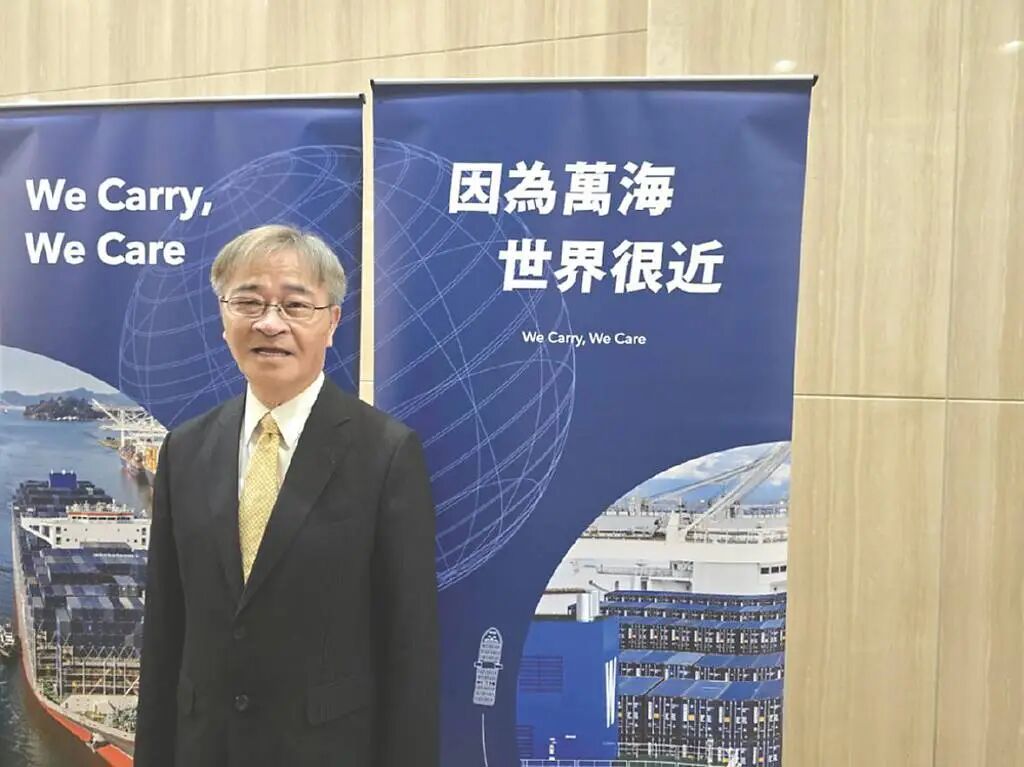
Xie pointed out that this wave of preemptive shipments and restocking has driven significant freight rate increases on West Coast U.S., East Coast U.S., and Middle East routes in May. Meanwhile, high oil prices have pushed up overall operating costs for shipping companies. He expects that as demand remains strong, this trend will likely continue into the traditional peak season in the third quarter, possibly extending until October. High capacity utilization on ocean-going routes is projected to be maintained through around October, making freight rates prone to rising rather than falling.
The biggest variable affecting U.S. routes going forward is the direction of new U.S. tariff policies after July. U.S. Trade Representative Greer stated on May 26 that while Section 122 tariffs have an expiration date, there is no explicit prohibition against reimplementing them afterward. Therefore, it cannot be ruled out that Section 122 may not expire in July but could be reinstated. The impact on export cargo volumes on U.S. routes remains to be seen.
Another market focus is the impact of the "fighting while negotiating" dynamic in U.S.-Iran agreements on fuel costs. Xie noted that fuel currently accounts for 30% to 40% of shipping companies' total operating costs, significantly higher than the previous level of nearly 20%. Coupled with prolonged voyages due to port congestion in multiple countries and increased vessel deployments on many routes, operating costs have been pushed higher, serving as a key factor supporting the resilience of freight rates.
On the recently surging Middle East routes, local inventories of daily consumer goods have been largely depleted after three months of conflict. Importers have recently engaged in active restocking, with large volumes of cargo concentrated at ports in the UAE, Saudi Arabia, and Jordan, causing severe congestion around the Red Sea. This congestion effect has spread from the Middle East to India and Asia, with even the Port of Singapore experiencing crowding. Furthermore, shipment volumes have warmed up following Japan's Golden Week holiday, placing noticeable pressure on the overall Asian export supply chain.
For Wan Hai, second-quarter operational performance is expected to surpass that of the first quarter. Additionally, the company’s investment focus is centered on new vessels and containers, with future attention directed toward European, Australian, and South America East Coast routes, all of which require support from large-scale vessels.
In 2025, Wan Hai advanced its new shipbuilding plan, investing over $12.27 million to order 10 more efficient and environmentally friendly new ships. It also invested over $1.48 million to purchase approximately 61,000 new containers. As these new vessels and containers are delivered successively, the company's fleet capacity is expected to continuously rise to over 650,000 TEUs, thereby strengthening its global service capabilities and enhancing its competitive advantage.
Looking ahead, Wan Hai stated that the international political and economic landscape is changing rapidly. Global supply chains continue to be affected by geopolitical risks, inflation, and trade uncertainties, meaning volatility in the shipping market will further intensify.
Hot News