





VLCC Newbuilding Orders Hit All-Time High
Source:CNSS
2026-06-10
Global shipowners have placed newbuilding orders for Very Large Crude Carriers at an all-time high, surpassing the peak recorded during the previous boom cycle in 2008. Industry participants are increasingly concerned that this wave of ordering could sow the seeds of future overcapacity and a collapse in freight rates.
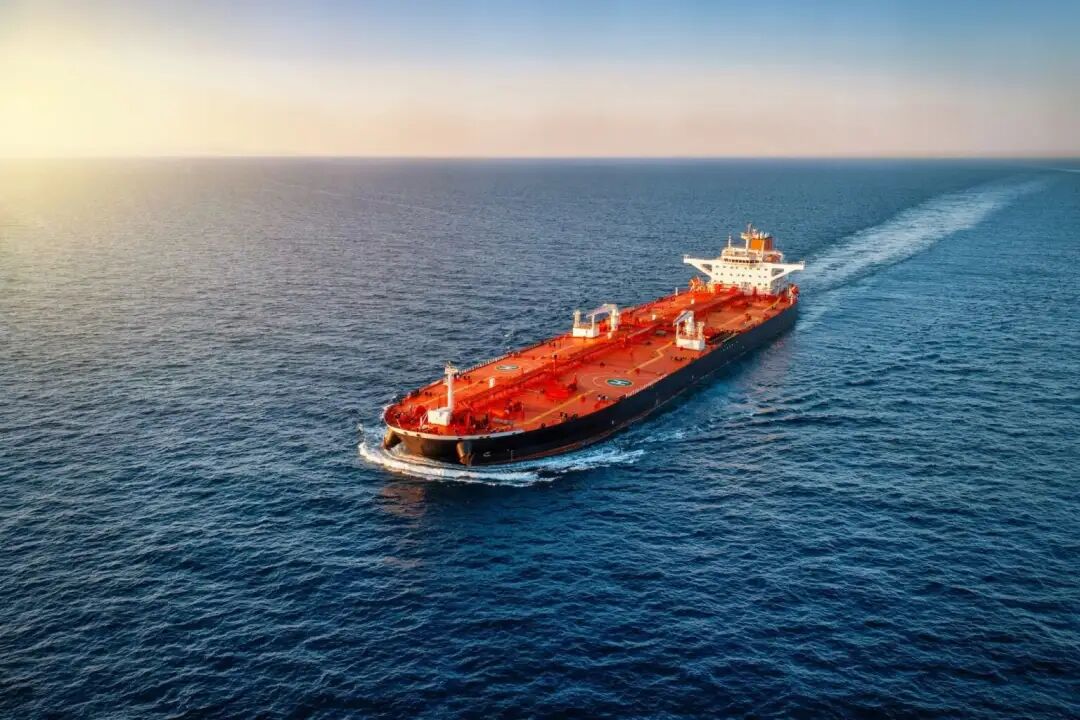
According to data from Clarkson Research, there are currently 262 VLCCs under construction at shipyards worldwide, each capable of carrying two million barrels of crude oil. This total is sufficient to cover the entirety of planned US crude oil exports and exceeds the previous record high set in October 2008.
At the recently concluded Posidonia exhibition, the current tanker market boom and the potential for a subsequent down-cycle became a key topic of discussion among industry insiders. Over the recent period, driven by geopolitical conflicts, tanker freight rates have doubled compared with pre-conflict levels, at one point soaring to historic extremes of hundreds of thousands of dollars per day.
However, the sustained disruption of the Strait of Hormuz has severely compressed cargo transport volumes. Analysts warn that if this situation persists long-term, industry earnings face significant downward pressure, particularly if the conflict ultimately suppresses long-term crude oil demand.
George Economou stated in Athens: "Compared with the boom period of 2004-2008, the market is only temporarily better now. If this situation continues, it will be bad for the tanker industry."
Data compiled by Bloomberg shows that since the outbreak of the US-Iran conflict, the combined market capitalisation of the world's 15 largest listed tanker companies briefly exceeded US$60 billion. By contrast, at the start of this year, the figure stood at roughly half that amount, reflecting the immense volatility in the value of tanker assets as a critical link in global oil trade.
Measured as a proportion of the existing fleet, current order levels are not exceptionally extreme—representing just over a quarter of the current fleet—but this is nonetheless the highest ratio since 2011, when the industry was still digesting the aftermath of the 2008 order surge.
The prevailing view within the industry is that if future demand growth fails to keep pace with the delivery of new vessels, the tanker market could well slip back into a state of overcapacity and a prolonged period of depressed freight rates. For shipowners, the sustainability of today's strong profits remains an open question.
Hot News