


LNG Leads the Surge as August Alternative-Fuel Newbuilding Orders Hit Two‑Year High
Source:
2026-09-07
In the first eight months of 2026, shipowners placed a total of 242 orders for alternative-fuel vessels, a 27% increase over the same period in 2025, marking a clear acceleration in ordering momentum this summer compared with last year.
According to DNV's Alternative Fuels Insight (AFI) platform, August saw 52 new orders for alternative-fueled ships – the highest monthly level since October 2024 – led by LNG-powered container ships and car carriers. This followed 47 orders recorded in July, signaling a rebound after a relatively subdued start to 2026.
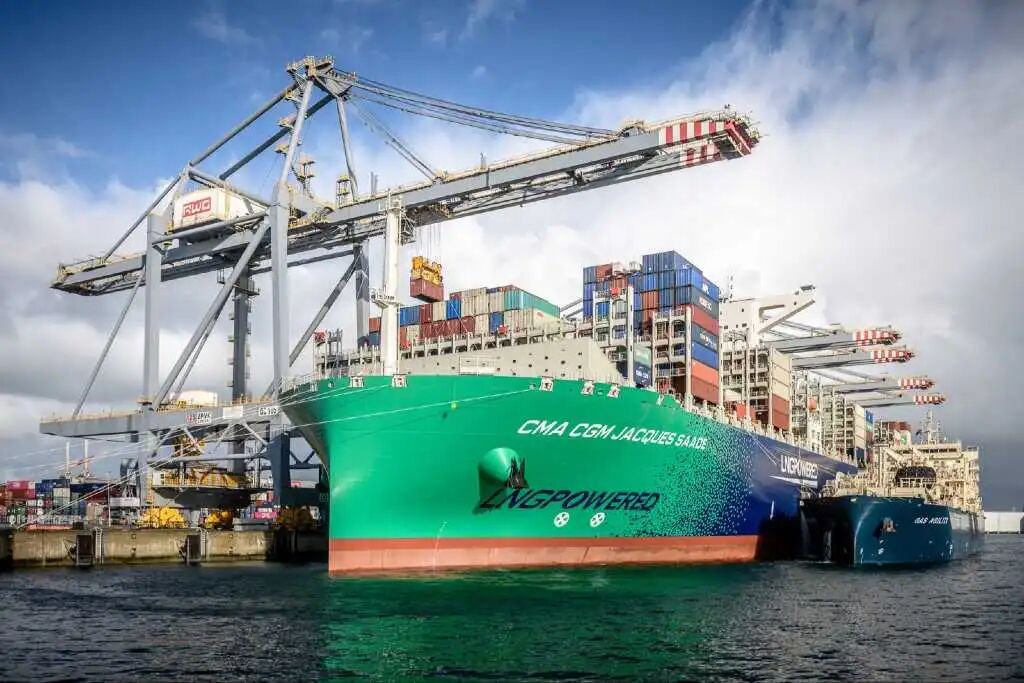
Of the August orders, LNG-fueled vessels accounted for 46 units, including 30 container ships and 12 car carriers. The month also saw orders for four ethanol-powered bulk carriers, two hydrogen-powered bulk carriers, and one LNG bunker vessel.
The rebound marks a clear turning point from the first half of the year. Through June, DNV had recorded 137 alternative-fuel orders, down from 155 in the first half of 2025. That means the alternative-fuel orderbook grew by more than 100 vessels in just July and August alone.
As order activity heats up, LNG continues to hold a dominant lead, accounting for 63% of all alternative-fuel orders so far this year. Containerships represent 59% of LNG orders, while car carriers account for 30%.
Jason Stefanatos, Global Decarbonisation Director at DNV Maritime, said: "LNG remains the fuel of choice at present, driven by ordering activity in the containership and PCTC segments. These vessel types have been among the earliest adopters of alternative fuels, benefiting from predictable liner operations and growing demand from cargo owners to reduce supply chain emissions."
He noted that for shipowners, LNG offers a balanced combination of emissions reduction, fuel availability, and operational flexibility as the industry continues to evaluate longer-term alternatives.
The latest data also show that owners remain willing to experiment beyond LNG. August saw orders for ethanol and hydrogen vessels, while ammonia, methanol, LPG, and ethane-fueled ships have also attracted newbuilding investment this year.
In the first half of 2026, LPG and ethane-fueled vessel orders surged to 55 units, up from just 15 in the same period last year. Through June, DNV also recorded orders for four ammonia-fueled vessels, two methanol-fueled vessels, two ethanol-fueled vessels, and one hydrogen-fueled vessel.
Deliveries of alternative-fuel ships are also bolstering the operating fleet. In the first half of the year, 61 LNG-powered vessels and 38 methanol-powered vessels entered service. Belgian gas carrier operator Exmar also took delivery of what it calls the world's first commercially operated ocean-going dual-fuel ammonia-powered vessel.
This diversified fuel mix suggests that no single pathway has yet emerged for shipping's energy transition. LNG has established a clear near-term lead, particularly in segments that can leverage existing bunkering infrastructure, while owners continue to place small-scale bets on other fuels that could gain greater traction as regulations tighten and supply chains mature.
Hot News