


Ten LNG carriers — sale suspended
Source:
2026-10-21
Amid growth in global liquefied natural gas (LNG) transport demand and the ongoing impact of the Strait of Hormuz situation on shipping safety, Qatar-related companies have suspended plans to sell 10 LNG carriers. These older vessels, equipped with steam turbine propulsion systems, had originally been considered for sale, retirement, or even scrapping, but their future has once again become uncertain as market and operating conditions have changed.
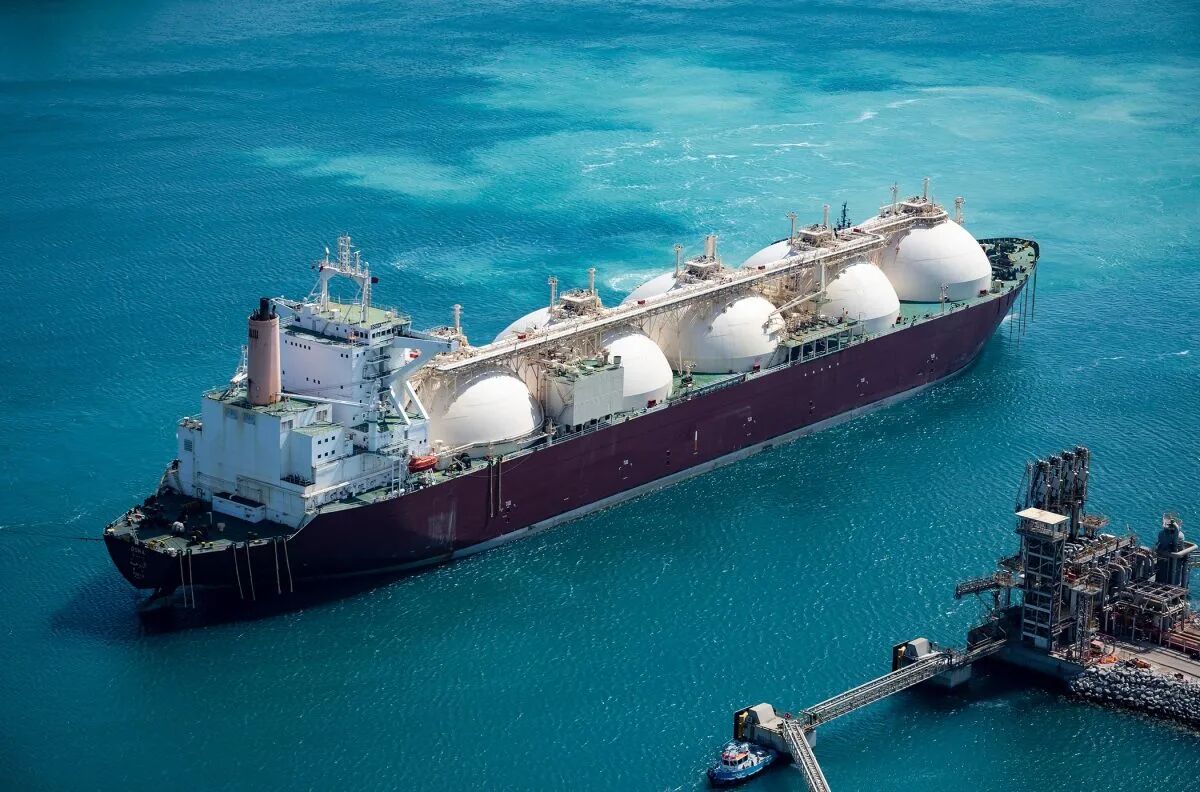
According to foreign media reports, the sale process for these 10 vessels has now been halted. However, it remains unclear whether the suspension is a temporary measure in response to current market changes or signals that Qatar plans to extend the vessels’ operating lives.
Strait of Hormuz situation affects fleet arrangements
The suspension of the sale plan comes as Qatar’s LNG transport faces a complex operating environment. In 2026, the security situation in the Strait of Hormuz severely disrupted Qatar’s LNG exports. As the key passage for Qatar’s LNG exports to international markets, navigability in the Strait directly affects cargo delivery, vessel scheduling, and available transport capacity.
Against this backdrop, QatarEnergy adjusted some transport arrangements. According to reports, while extending the application of force majeure to LNG deliveries to some Asian customers, the company also chartered some vessels to third parties on a short-term basis and reassessed transport capacity under different commercial arrangements.
Notably, reports say that at least one of the vessels whose sale has been suspended had been used by QatarEnergy to transport LNG cargoes through the Strait of Hormuz. This suggests that the vessels may still undertake actual transport tasks, and their operational value may not have completely disappeared. However, this alone is not enough to determine the specific deployment arrangements for the remaining vessels, nor can it confirm whether this is the direct reason for the suspension.
Fuel efficiency lags, but older LNG carriers still have room to operate
The renewed attention on these 10 vessels is also related to the economics of older-generation LNG carriers.
Steam turbine propulsion systems were once widely used in LNG carriers. Such vessels could use gas produced by the natural boil-off of LNG cargo as fuel, which offered certain operating advantages at the time. However, as ship technology has developed, new-generation LNG carriers using technologies such as dual-fuel diesel engines, electric propulsion, and modern two-stroke engines have made significant progress in fuel efficiency.
By comparison, steam turbine vessels generally consume more fuel, and their maintenance and operating costs may also be more burdensome. As newbuild LNG carriers are delivered, shipowners need to reweigh the operating costs, remaining service life, maintenance needs, and future transport contracts of older vessels, and some vessels therefore face the choice of sale or retirement.
But technological backwardness does not mean these vessels must immediately exit the market. Whether a ship still has economic value depends not only on its propulsion system and fuel efficiency but also on factors such as market freight rates, vessel supply and demand, actual operating needs, and available contracts. If there is still transport demand in the market and the revenue from continued operation can cover the relevant costs, older vessels may still have some commercial operating space.
Does the suspension mean extending vessel lives?
For the Qatari companies involved, suspending the sale of these 10 vessels means their original disposal plans have temporarily changed, but it does not mean the vessels have been confirmed for long-term continued operation.
In the current market environment, retaining some older vessels may provide more options for fleet scheduling. However, the actual operating arrangements for the vessels still depend on multiple factors, including the security situation, transport demand, operating costs, and commercial contracts.
Hot News