


ZIM Acquisition Takes a Turn: Hapag‑Lloyd to Submit Revised Proposal
Source:
2026-09-09
According to a report by Israeli media outlet Calcalist, Hapag-Lloyd has announced, following its latest round of talks with Israeli government officials, that it will submit a revised proposal for the acquisition of ZIM Integrated Shipping Services to the Israeli authorities by the end of September this year.
The acquisition deal was first made public in February this year and has since faced close scrutiny from some members of the Israeli parliament, with concerns centering on whether the country's long-term maritime security and operational independence would be adequately safeguarded following the sale.
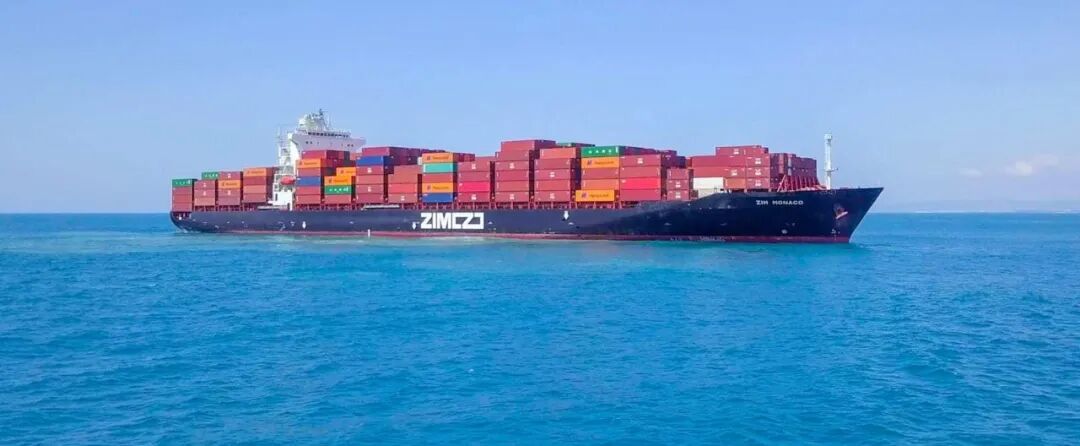
In response to these concerns, Hapag-Lloyd stated that the improved proposal will include a series of structural adjustments, with the core objective of "strengthening Israel's maritime independence and security." Specific measures include the establishment of a new wholly owned container shipping company named "ZIM Israel," which will be fully controlled by Israeli private equity firm FIMI Opportunity Funds, and which will assume and expand the responsibilities related to ZIM's "Golden Share" mechanism.
Under the current terms, ZIM, which is listed on the New York Stock Exchange, may sell up to 24% of its shares to foreign private investors without requiring Israeli government approval. Under the revised proposal, this threshold would be reduced to just 10% for "ZIM Israel," and FIMI has committed not to list the company's shares for trading on markets outside Israel, thereby effectively preventing foreign influence over Israel's ability to transport critical and sensitive cargo.
In addition, the new proposal explicitly guarantees Israel's access rights to key shipping routes, including those to Asia, and strengthens the protective measures under the "Golden Share" framework to prevent any external interference in the transport of sensitive Israeli cargo. Hapag-Lloyd said it would work closely with Israeli officials to implement these commitments.
On the issue of capacity, FIMI Opportunity Funds will be responsible for operating the "New ZIM," which will initially consist of 16 vessels from ZIM's existing fleet. When the acquisition was announced in February, some Israeli parties expressed concern that 16 ships might not be sufficient to meet Israel's wartime or emergency security needs. Although the revised proposal does not explicitly increase the fleet size, it emphasises that structural arrangements will enhance overall security capabilities.
Another closely watched issue concerns Hapag-Lloyd's own shareholder structure. The company's shareholder register includes Qatari sovereign investment institutions, the Saudi Public Investment Fund, as well as major German and Chilean shareholders. Together, the Qatari and Saudi shareholders hold 22.5% of the shares.
Some Israeli political figures have expressed concern that this background could potentially influence ZIM's operational decisions. In response, Hapag-Lloyd has undertaken in the revised proposal to use contractual provisions and regulatory mechanisms to completely prevent any foreign shareholder from interfering with the transport of sensitive Israeli cargo.
Hapag-Lloyd CEO Rolf Habben Jansen said: "We are working with our partners to develop an improved proposal that further strengthens Israel's maritime security and independence. The revised proposal will safeguard Israel's access to key shipping lanes, including routes to Asia, and strengthen protections under the 'Golden Share' framework. This agreement represents a significant improvement over the existing arrangements, and we believe this transaction will be another important milestone in the close relations between Germany and Israel."
The revised proposal is currently being finalised internally and is expected to be formally submitted to the Israeli government for review by the end of September. If approved, the transaction would not only reshape the global container shipping landscape, but also provide institutionalised safeguards for Israel's maritime strategic autonomy.
Hot News